
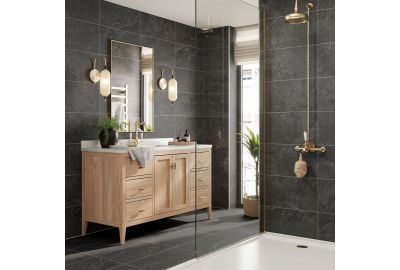
Choosing the right shower trays is essential for maintaining safety in the bathroom, particularly in busy households. Many homeowners now opt for the best anti-slip shower trays to help reduce the risk of slipping during everyday use. The wording used to describe safety features plays an important role in how products are presented to customers. Below, we explain why terms such as anti-slip and slip-resistant are more commonly used in the UK.
The legalities of non-slip shower trays vs anti-slip shower trays
Here at Plumbing World and across much of the industry, we use the term “anti-slip”, and not “non-slip”. This is because it is practically impossible to guarantee “a non-slip surface” in all conditions, as factors outside of the shower tray also come into play. This is why many manufacturers and retailers prefer and use the term "anti-slip" or "slip-resistant".
Definitions:
- "Non-slip" may suggest a guarantee of no slipping in the shower at all
- "Anti-slip" is the widely accepted UK industry standard, as it implies a reduction in slip risk rather than complete prevention
Anti-slip standards and testing classifications in the UK and EU
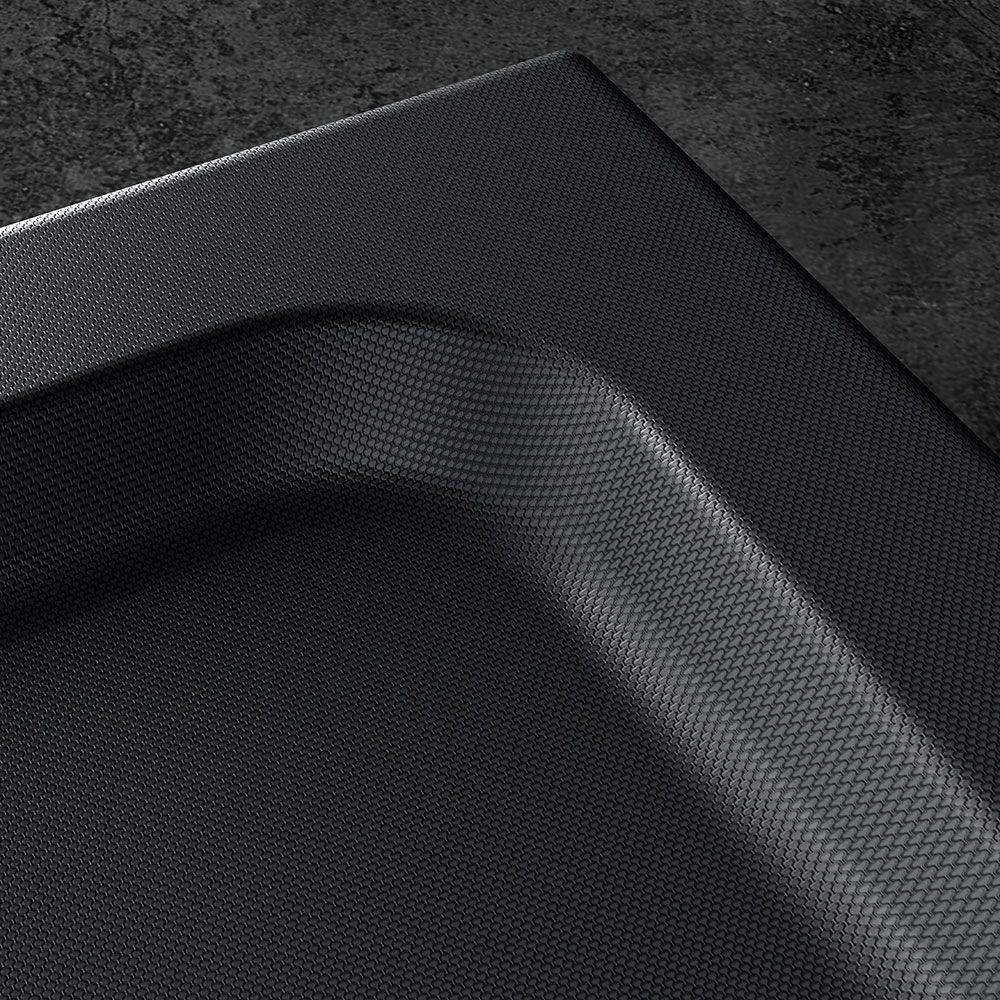
In the UK and EU, anti-slip shower trays are tested against recognised safety standards to assess their resistance to slipping when wet. The key standard used is the DIN 51097 slip resistance classification, a German standard widely accepted across Europe, including the UK.
DIN 51097 testing overview
This standard simulates barefoot conditions on a wet surface. During testing, a subject walks on a sloped sample of the tray while water flows across it. The incline is gradually increased until the subject slips. The angle at which slipping occurs determines the classification:
- Class A – minimum slip resistance (tested at 12° to 18°)
- Class B – moderate slip resistance (tested at 18° to 24°)
- Class C – highest slip resistance (tested at over 24°)
Class B anti-slip shower trays
Here are some facts about Class B:
- This classification forms most of the UK market
- Suitable for standard domestic bathrooms
- Commonly used where moderate protection is required
- Acceptable for general family use, especially where children or older adults are present
- Often found in textured acrylic or stone resin trays
Class C anti-slip shower trays
Here are some facts about Class C:
- This classification is a minority of the UK market and is used where the ultimate anti-slip factor is required
- Designed for maximum safety, including care homes, hospitals, and high-risk domestic settings
- Recommended for people who are infirm or unstable, and are therefore more likely to slip in the shower
- Feature advanced coatings or texturing to maintain grip under heavy water flow
Additional UK considerations
In addition to DIN 51097, some UK suppliers may also refer to BS 7976 (now superseded by BS EN 16165:2021), which involves Pendulum Testing for surface slipperiness. However, for wet barefoot areas like shower trays, DIN 51097 remains the primary standard.
15 tips to avoid slipping in the shower
Slips in the shower sometimes lead to serious injury, especially in busy family bathrooms or when surfaces are wet and soapy. Reduce the risk by making practical choices when using, cleaning, and maintaining your shower tray and shower enclosure.
-
1) Avoid using oily bath products
Greasy or oil-based soaps and products can reduce grip on the surface, increasing the chance of a slip. Opt for gentle soap or shower products that do not leave a slippery residue on your shower tray. -
2) Choose non-slip flooring outside the shower
Installing slip-resistant flooring just outside shower enclosures helps minimise the slipping hazard when stepping out. Mats or anti-slip tiles with a textured surface offer added safety and support for all bathroom users. -
3) Clean the tray regularly to prevent soap scum
The build-up of grime, shampoo, or soap can lead to dangerously slick trays. Weekly cleaning maintains slip resistance on slip-resistant shower trays and keeps the shower looking fresh. -
4) Close doors or curtains to contain water
Water splashing out of the shower enclosure onto the floor creates puddles that lead to slip incidents. Keeping doors or curtains shut also protects standard shower enclosures and prevents soap trails.
-
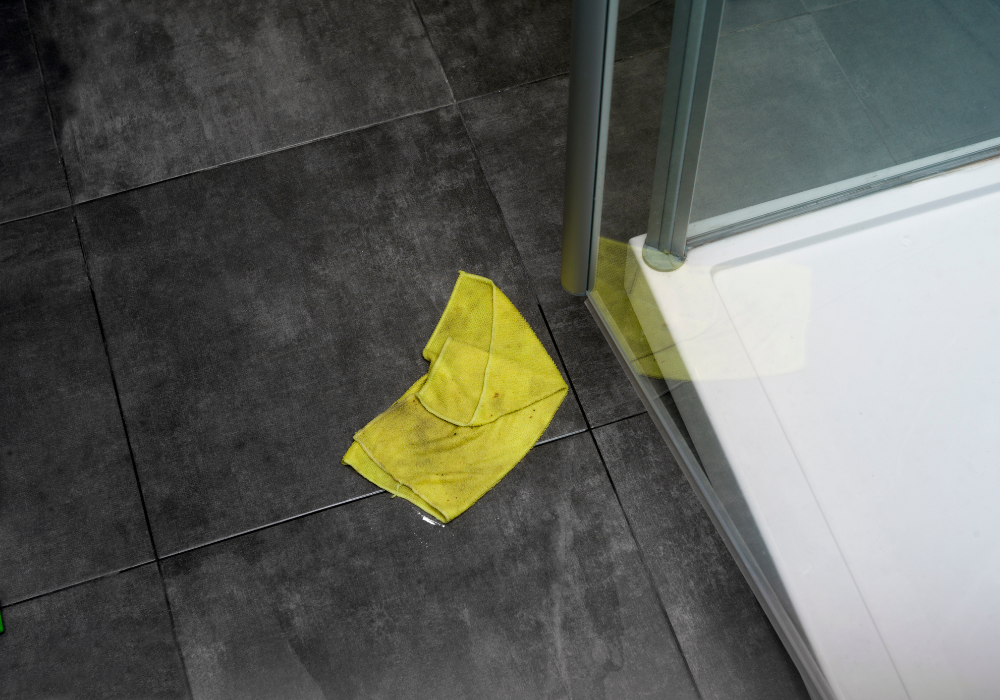
5) Keep the floor dry
Mop up excess water following showering to avoid slick spots forming on the floor. Dry trays, tiles and mats quickly or use a squeegee to reduce slipping chances. -
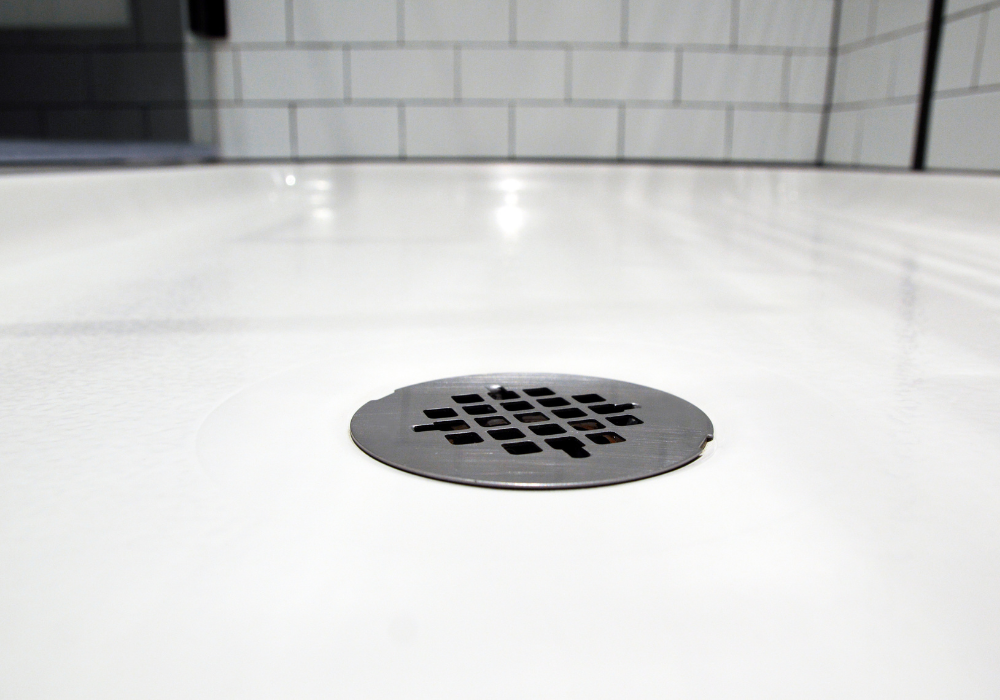
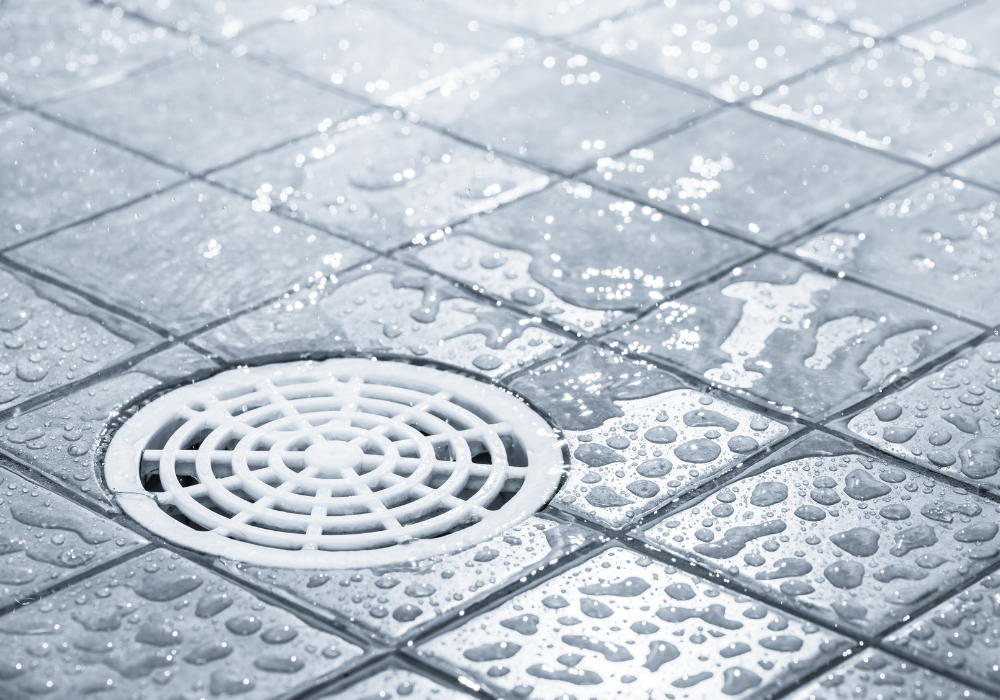
6) Ensure proper drainage
Blocked outlets allow water to pool in your shower tray, raising the risk of losing footing. Check drains often and keep them free of hair and debris to ensure smooth flow in slip shower trays. -
7) Fix any leaks immediately
Even minor leaks can drip onto the floor, reducing traction and leading to hidden slip zones.
Keeping seals intact on shower trays and around shower enclosures helps maintain a dry and safe area. -
8) Install an anti-slip shower tray
Anti-slip shower trays feature a textured surface to increase grip underfoot. They are available in stone resin, acrylic, and quadrant, offset quadrant, square or rectangular shapes, these trays suit any bathroom style.
-
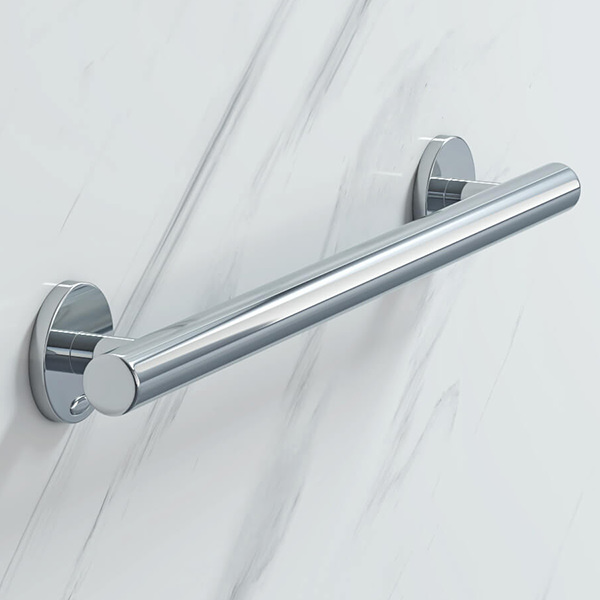
9) Fit grab rails or handholds
Sturdy handholds offer support and add safety when entering or exiting the shower. This is ideal for older users or children, especially in showering spaces with low-profile or raised tray setups. -
10) Keep toiletries within easy reach
Reaching for bottles or leaning across the shower can make the balance unstable. Store your soap, shampoo, and accessories close at hand when using slip-resistant shower trays. -
11)Turn on adequate lighting
A well-lit bathroom helps identify water spills or soapy areas before they become a problem. Fitting lights directly above shower enclosures makes it easier to move around safely. -
12) Use a secure shower mat
Textured mats help provide grip and a safer surface to stand on in both shower trays and baths. Choose mats with strong suction cups to keep them stable and reduce slipping in the shower in any shower setup.
-
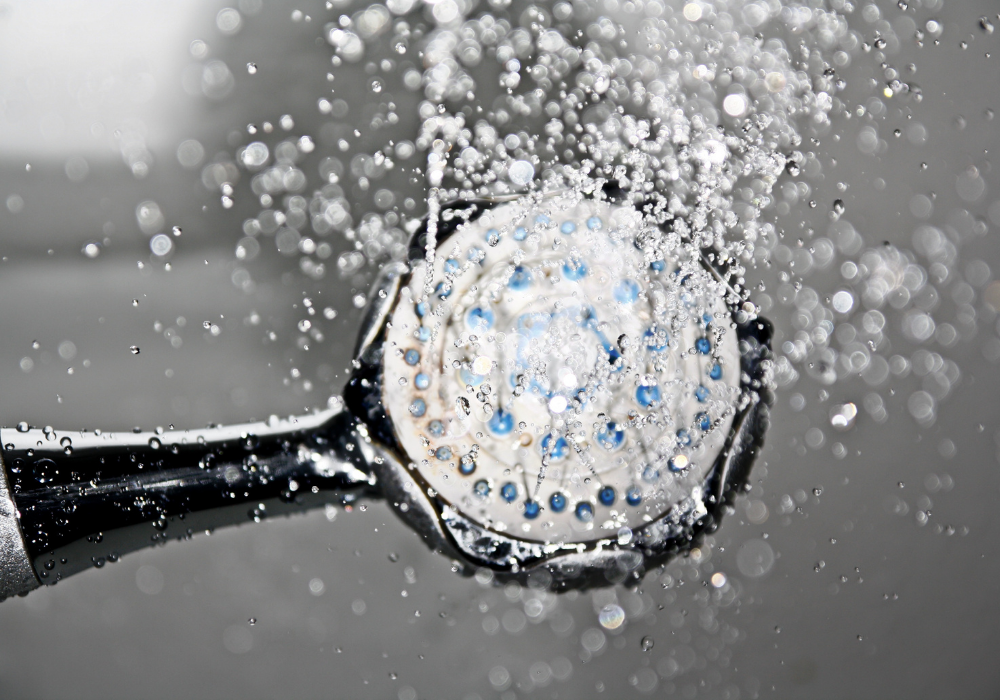
13) Use a hand-held showerhead
Being able to direct water where needed avoids excessive spray across the tray and floor. This reduces the spread of water that could form a slip zone on tiles or surrounding riser kit platforms. -
14) Use a shower seat or stool
Sitting down lowers the chance of falling, especially for those with mobility needs. This is particularly useful in standard shower enclosures or offset quadrant designs with limited space. View our shower seats here. -
15) Wear non-slip shower shoes
Specialist footwear improves slip resistance in wet environments and protects against sharp edges. Lightweight and suitable for DIY or family use, they add comfort and safety during daily showering routines.
Qualities to look for in the best anti-slip shower trays
Point #8 above was “Install an anti-slip shower tray”, so now we have a look at the qualities you should demand when you install one in your bathroom:
- Certified slip resistance - gives reassurance that the shower tray has been tested to reduce slip risks under wet conditions
- Compatible with enclosures - ensures the tray will fit perfectly with your chosen shower enclosure, which will save time when installing
- Durable materials – such as stone resin or acrylic help the tray cope with everyday demands without eventual cracks or warping
- Easy surfaces to clean - make it simple to remove residues of soap and grime, which improves hygiene and slip resistance
- Good drainage - prevents standing water in the shower, reducing the chance of slipping in the shower on wet patches
- Low profile design - offers easier access and a modern look, they are ideal for stylish and practical bathroom layouts
- Reinforced base - adds strength and durability, especially useful for heavier users or frequent use in family bathrooms
- Stylish appearance - helps match the shower tray to your bathroom décor, with options in different colours and shapes
- Textured surface - improves underfoot grip, making it safer to step in and out of the shower
- Warranty included - provides peace of mind, confirming the tray is built to last and protected against defects
4 great slip-resistant shower trays from Plumbing World
Here are just four great slip-resistant shower trays you can choose from.
-
MX Elements Anti-Slip Rectangular Shower Tray 1200mm x 900mm
This MX anti-slip tray is one of the most popular options we keep in stock, covering around 90% of standard tray sizes. It offers dependable grip underfoot, making it ideal for family bathrooms and accessible showering. With a solid build and classic rectangular shape, it is a reliable, straightforward choice. Ideal for quick replacements or new installations. -
MX Elements Anti-Slip Walk-In Shower Tray With Drying Area 1400mm x 900mm
Designed with practicality in mind, this MX walk-in anti-slip tray includes a built-in drying area for added comfort. The end waste position makes it a convenient choice when replacing a traditional bath. It offers a smart solution for walk-in shower designs without compromising on safety. A good fit for anyone upgrading their bathroom layout. -
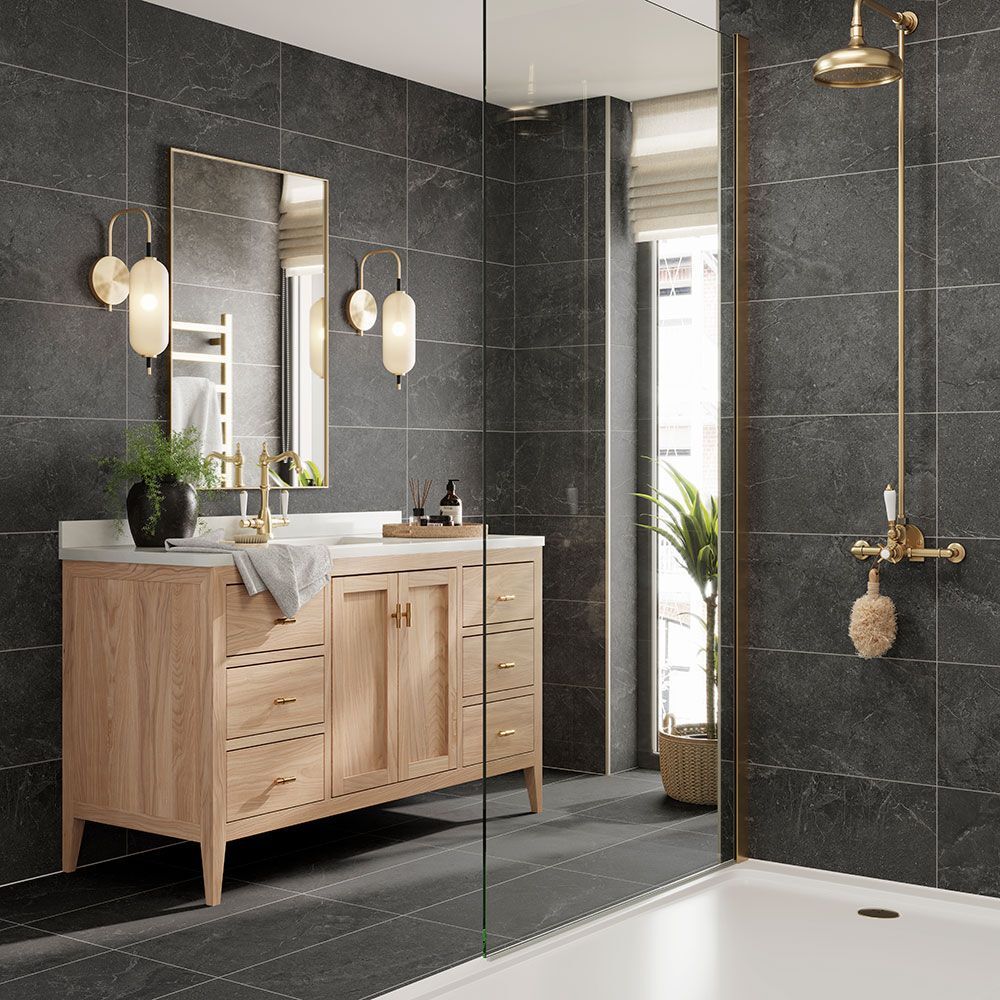
Aqua I Urban Slate Effect Rectangular Shower Tray 1700mm x 900mm Charcoal Grey
The Aqua I Urban tray proves that anti-slip safety and modern style can go hand in hand. Its slate-effect finish, and anti-slip surface make it a standout option, especially in larger sizes up to 2000mm wide. The charcoal colour adds a striking, contemporary look to the bathroom. Fast delivery is a bonus on this increasingly popular tray range. -
Hydro45 Anti-Slip Rectangular Shower Tray 1200mm x 700mm White
This Hydro45 tray offers an effective anti-slip surface and is ideal for tighter spaces with its 1200mm by 700mm profile. A discreet corner waste position helps maximise space and suit varied layouts. It is a clean, low-profile solution with built-in safety. A reliable pick for straightforward, space-saving installations.
Shower maintenance and cleaning ideas
As we have suggested in some areas above, shower maintenance and cleaning are also important in creating an anti-slip shower. Below we provide daily habits, weekly/monthly routines, how to look after seals and surfaces, maintaining fixings, and preventative tips.
Daily habits to keep your shower fresh
A few small actions each day can make a big difference. Wiping down the glass and walls after use helps prevent watermarks and soap scum. A quick spray with a daily shower cleaner reduces build-up and keeps the surface looking clean between deeper cleans. Ensure the room is well-ventilated to prevent moisture settling and mould forming.
Weekly and monthly cleaning routines
Clean the shower tray weekly using a non-abrasive cleaner that is suitable for your tray type. Descale the shower head monthly to remove limescale and maintain water flow. Grout lines can be scrubbed with an old toothbrush to keep them clear of mildew and grime. Drain covers or grates should be lifted and rinsed to remove trapped debris.
Looking after seals and surfaces
Keep an eye on the silicone seals around your shower. If they begin to show signs of black mould or peeling, consider resealing them to avoid water leaks. For coloured trays and tiles, avoid bleaching as this is likely to damage the finish. Instead, natural products such as baking soda or white vinegar offer a gentler, more effective alternative for cleaning.
Maintaining fixtures and accessories
Shower mats and anti-slip inserts should be removed and cleaned regularly to prevent odour and mould. Empty and rinse out shower caddies and product holders to avoid soap residue building up underneath bottles. Glass panels benefit from a quick polish with a squeegee to keep them streak-free.
Preventative checks and care
Inspect the whole shower area periodically for signs of leaks, wear in seals, or trapped moisture. Prompt repairs to any problem areas will save you time and money in the long run. If you use an anti-slip coating or tray, stick to the cleaning products recommended by the manufacturer to maintain effectiveness without damaging the surface.
Conclusion
A good anti-slip shower tray makes a big difference in daily bathroom safety when combined with good habits and maintenance. A shower tray with the textured surface, which is slip-resistant certified and built with durable materials gives you comfort and extra safety. Keeping your shower enclosure clean and dry, checking the drainage and using secure accessories reduces the risk of slipping. With the right planning and features your shower area will be safer and more reliable for everyone when you install slip-resistant shower trays.
Contact us
- Phone – 0121 508 9987
- Email – onlinestore@plumbingworld.co.uk
- Contact details – send these through our Contact Us Page
- Live Chat – accessible via the blue button located at the bottom left corner of any page on Plumbing World