
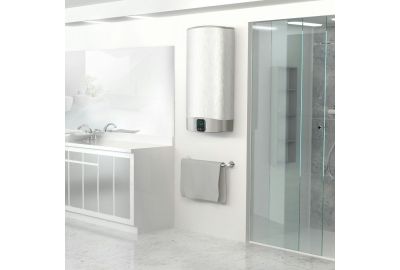
Choosing the right water heater can make all the difference in your home’s comfort, energy usage, and long-term costs. With so many water heater types to choose from, finding the best water heaters depends on the size of the property, available budget, and hot water requirements. Each has pros and cons, from traditional tanks to innovative undersink and tankless water heaters. This article compares electric, gas and compact models to help you decide.
Electric vs gas water heaters: The core debate
Choosing between electric vs gas water heaters often comes down to energy efficiency, installation flexibility, and cost. Both water heater types offer distinct benefits depending on household size, budget, and your available fuel type.
Electric water heaters
An electric water heater is one of the most installed solutions in the UK for everyday hot water needs. These units are known for minimal maintenance, a compact size, and an easy fit in homes with limited space, such as utility rooms or beneath the kitchen sink. Thanks to steady improvements in energy efficiency, modern models can deliver hot water quickly with lower energy consumption, making them suitable for many households.
Pros:
- Compact design – they are usually a compact size that fits easily in cupboards, utility rooms, or other limited spaces. This space-saving design is sensible for flats, small homes, or point-of-use installations like under a kitchen sink (Hyco Speedfit 2KW Unvented Water Heater)
- Easier installation - with no flue or ventilation requirements, electric models are normally easier to install than gas alternatives. This makes them quicker to set up and often lowers the overall challenges of installation
- Environmentally friendly (potentially) - if renewable electricity is used, electric heaters are greener than gas. No on-site emissions improve local air quality and reduce energy loss
- Lower upfront costs – they are usually cheaper to buy, and simpler by design, with fewer parts meaning less labour and equipment costs during installation
- Minimal maintenance - these units require minimal maintenance, often only needing occasional checks for optimal performance. The reduced number of components also reduces breakdown likelihoods and helps maintain long-term energy efficiency
- No need for a gas supply - homes without access to natural gas can still provide hot water reliably with an electric water heater. They are perfect for areas reliant on electricity or where installing gas lines is not feasible
- Quiet operation - electric models operate without combustion, so they run almost silently in comparison to gas systems. This makes them suitable for installation near living areas or domestic hot water points without causing noise disruption
Cons:
- Higher operating costs - electricity tends to cost more than natural gas, leading to increased energy bills over time. This makes long-term energy usage less economical for large households
- Limited hot water supply - some electric units have smaller storage tank capacities; this means sometimes a lack of hot water during peak usage. This is especially noticeable in homes without a tankless or instant water heater system
- Power outage vulnerability - electric models stop working during a power outage. This will cause a major supply disruption of hot water until power is restored
- Slower heating times - compared to gas units, electric models usually take longer to heat water. This is a challenge in homes with high or immediate hot water needs
Popular electric water heaters from our range:
- Ariston Velis Evo 45 Litre Wi-Fi Water Heater with Unvented Kit
- Ariston Velis Evo 80 Litre Wi-Fi Water Heater with Unvented Kit
- Strom 11KW Single Phase Instantaneous Touch Screen Water Heater
- Strom 13.5KW Single Phase Instantaneous Touch Screen Water Heater
- Strom 7KW Single Phase Instantaneous Touch Screen Water Heater
- Strom 9KW Single Phase Instantaneous Touch Screen Water Heater
Gas water heaters
These are a popular choice in UK homes where a natural gas supply is available. Gas water heaters heat water quickly and efficiently, making them ideal for households with high demand and deliver a continuous supply of hot water. Compared to electric models, they often provide faster recovery rates and lower long-term energy bills, especially in large properties with greater hot water needs.
Pros:
- Efficient for high demand – gas models are often selected for large households that need instant hot water for showers, washing machines, and dishwashers at the same time. Their ability to meet high demand makes them a preferred choice in busy homes
- Faster recovery time - they heat water quicker than most electric units, so are well-suited for high-demand homes. Households also receive hot water without long wait times during peak use
- High flow rates – gas systems maintain a strong flow rate, providing hot water to multiple outlets at once. Gas systems deliver higher flow rates, so they provide hot water to multiple outlets at once. This is ideal for larger families or multiple-bathroom homes
- Lower operating costs - gas is cheaper than electricity, so buyers will see savings over time. For high water usage homes, this can be a big energy bill saver
Cons:
- Environmental impact – burning gas releases carbon emissions, so gas water heaters are not as green as electric or heat pump water heaters. If you are looking for a greener solution, you may want to look at lower energy consumption options
- More complicated installation – gas water heaters need ventilation and gas line connections, so installation is more involved. This can mean higher setup costs and longer installation times than electric models
- Larger size – many gas systems take up more space due to ventilation and storage tank components. This makes them a poor choice for flats or homes with limited space
- Regular maintenance required – to perform optimally and safely, gas units need servicing. Neglecting maintenance can lead to reduced efficiency or even gas leaks
Beyond the tank: Exploring other water heater types
Not every home or workplace requires a traditional storage tank system. For properties with limited space or specific hot water needs, several alternative water heater types offer tailored benefits. From tankless water heaters to compact undersink units and energy-saving heat pump water heaters, there are smart solutions for improving energy efficiency, reducing energy bills, and delivering domestic hot water exactly where it is needed.
| Tankless Water Heaters (On-Demand Water Heaters) | Heat Pump Water Heaters (Hybrid Water Heaters) | Undersink Water Heaters - The Point-of-use Solution | |
| Pros | Energy efficiency Longer lifespan Space-saving design Unlimited hot water |
Dehumidification Exceptional energy efficiency Reduced environmental impact |
Easy installation Energy savings Instant hot water Space-saving design |
| Cons | “Cold water sandwich“ effect Flow rate limitations Higher initial cost |
Higher initial cost Noise pollution Space requirements Temperature limitations |
Limited capacity Slower recovery Requires electricity |
Options from our range include:
- Ariston Andris Lux 10 Litre 2kW Undersink Unvented Electric Water Heater
- Ariston Andris Lux 10 Litre 3kW Oversink Unvented Electric Water Heater
- Ariston Andris Lux 10 Litre 3kW Undersink Unvented Electric Water Heater
- Ariston Andris Lux 30 Litre 3kW Oversink Unvented Electric Water Heater
- Heatrae Sadia Supreme 150 Instant Boiling Water Dispenser White 2.5L 2.5kW
- Heatrae Sadia Supreme 165 Instant Boiling Water Dispenser White 5.0L 2.5kW
- Heatrae Sadia Supreme 180 Instant Boiling Water Dispenser White 7.5L 2.5kW
- Strom 10 Litre Unvented Undersink Water Heater
- Strom 15 Litre Unvented Undersink Water Heater
- Strom 6 Litre Unvented Undersink Water Heater
How long do water heaters last? Water heater lifespan
Choosing the right heater is only half the battle as maintenance plays a large part in overall performance and longevity. Whether gas, electric or tankless, knowing the average water heater lifespan helps you plan for replacements and avoid surprises.
- Traditional tank water heaters (electric and gas) - 10 to 15 years if you maintain them with regular flushing and part checks
- Tankless water heaters - over 20 years, a great option for long-term hot water needs
- Heat pump water heaters - 10 to 15 years, same as standard electric tanks, but with more energy efficiency benefits
What are the best water heaters?
Choosing the best heaters depends on many aspects that affect efficiency, suitability, and long-term value.
Available space
Smaller homes with limited space benefit from tankless water heaters or undersink water heaters as they are compact and space-saving. Larger homes with utility rooms may have room for traditional tank systems or heat pump water heaters. If vertical space is tight, consider a low-profile storage tank or point-of-use unit. Wall-mounted options free up floor space and are great for smaller bathrooms or flats. Always make sure you have enough clearance for ventilation and maintenance, especially if you choose a natural gas system.
Budget
Costs vary greatly between different types of water heaters; tank models are usually cheaper than tankless or hybrids. However, water heating costs over time may be lower with more energy-efficient options like heat pump water heaters or solar water heaters. Consider not just the purchase price but also installation and energy bills. A longer water heater lifespan may be a better value overall.
Environmental concerns
If sustainability is important to you, energy-efficient options like heat pump water heaters, solar models, or tankless systems are the best options. These produce fewer emissions and reduce your home’s energy consumption. Electric water heaters can be eco-friendly if powered by renewable energy. Look for models with high-efficiency ratings and minimal heat loss.
Fuel availability and cost
The availability of electricity or gas in your area will determine the best fuel type. Gas water heaters have lower running costs but require ventilation and higher installation costs. Electric heaters are easier to install and more common in areas without mains gas. Solar water heaters require more sunlight and a bigger upfront cost. Always compare long-term energy usage to calculate total running costs.
Smart features
Modern systems now have Wi-Fi, smart controls, and timers to optimise energy usage. These can help reduce water heating costs by adjusting the operation around your daily routine. Some models have temperature control, leak detection, and usage tracking for optimal performance. These may be especially useful in larger households or properties with irregular usage patterns. Smart can also be integrated into your home’s overall energy management system.
Your hot water needs
Ask yourself: “How many users and appliances in your home need hot water?” A tankless water heater may be fine for small families with moderate usage, but larger homes may need a storage tank for peak usage. Consider your usage across the kitchen sink, shower, and laundry to determine flow rate and capacity. Point-of-use heaters may be a great addition to bathrooms or outbuildings. Choose a model that can supply hot water during peak usage times.
Property resale value
An energy-efficient and modern system will add value to your property. Buyers look for low running costs, smart technology, and a long water heater lifespan will value this purchase. A good water heater will make the property more appealing and show that the water heating infrastructure is up to date.
Final thoughts
There is no one-size-fits-all water heater for every home; what are the “best water heaters” depends on space, budget, energy source and daily hot water usage. For small houses or apartments, electric tankless or undersink units are practical and energy efficient. Larger homes may benefit more from heat pump water heaters or gas storage tanks for long-term savings.
Eco-aware households will prefer solar water heaters or hybrid heaters with lower energy consumption. Balance all your priorities carefully and choose a heater that matches your current and future needs. We advise you to read our electric vs gas water heaters analysis carefully, as these are main water heater types on the market.
Contact information
- Phone – 0121 508 9987
- Email – onlinestore@plumbingworld.co.uk
- Contact details – send through our Contact Us Page
- Live Chat – this can be accessed by clicking the blue button at the bottom left corner of any page