
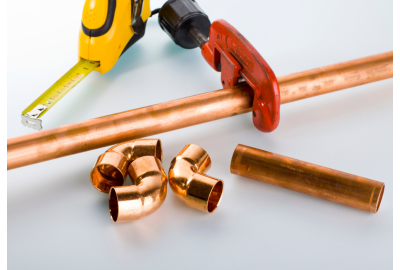
Copper fittings are a crucial part of modern plumbing systems and are used in connecting copper pipes. There are many copper fitting types to choose from, each for specific plumbing needs and applications. These include traditional solder ring fittings, compression fittings and copper press fittings that can be installed quickly and easily without heat. Choosing the right fittings means long life, fewer leaks, and easier new installations and repairs.
What is a copper fitting?
Copper fittings are used to connect copper pipes in various plumbing systems. These pipe fittings come in many copper fitting types including elbow fittings, compression fittings and solder ring fittings, each for different applications. Known for their durability and corrosion resistance, copper pipe fittings create a reliable joint for DIY and commercial use.
What is a copper press fitting?
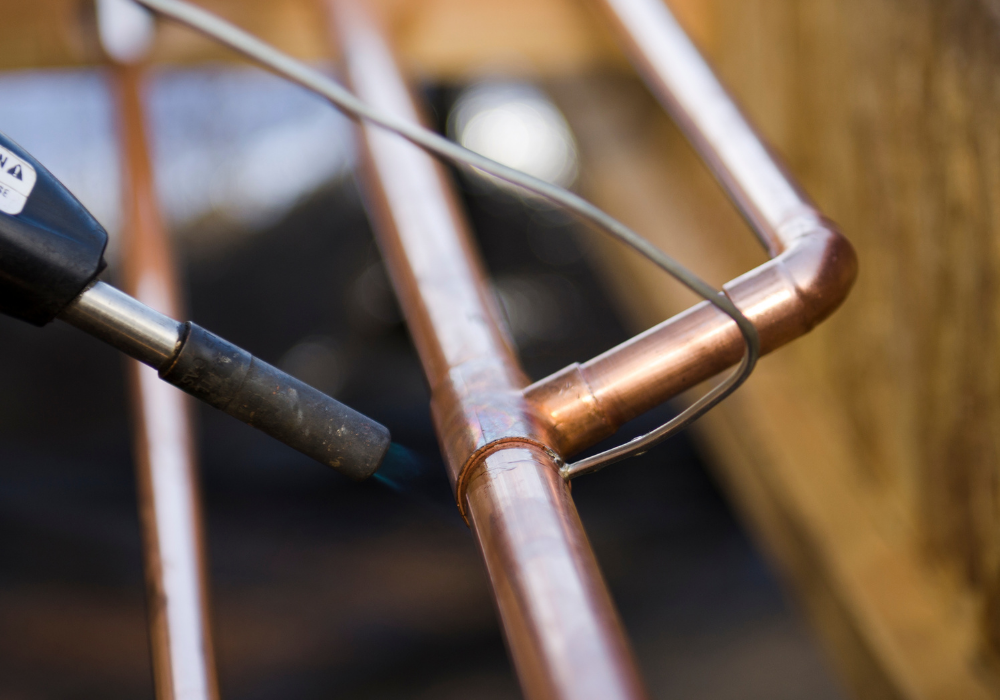
Copper press fittings are a modern alternative to soldering. They are quick and easy to install with no heat required. This press-fit solution gives a crimped connection, which is perfect for fast-paced plumbing work in tight spaces or where heat is not practical.
What are the Different Copper Fitting Types?
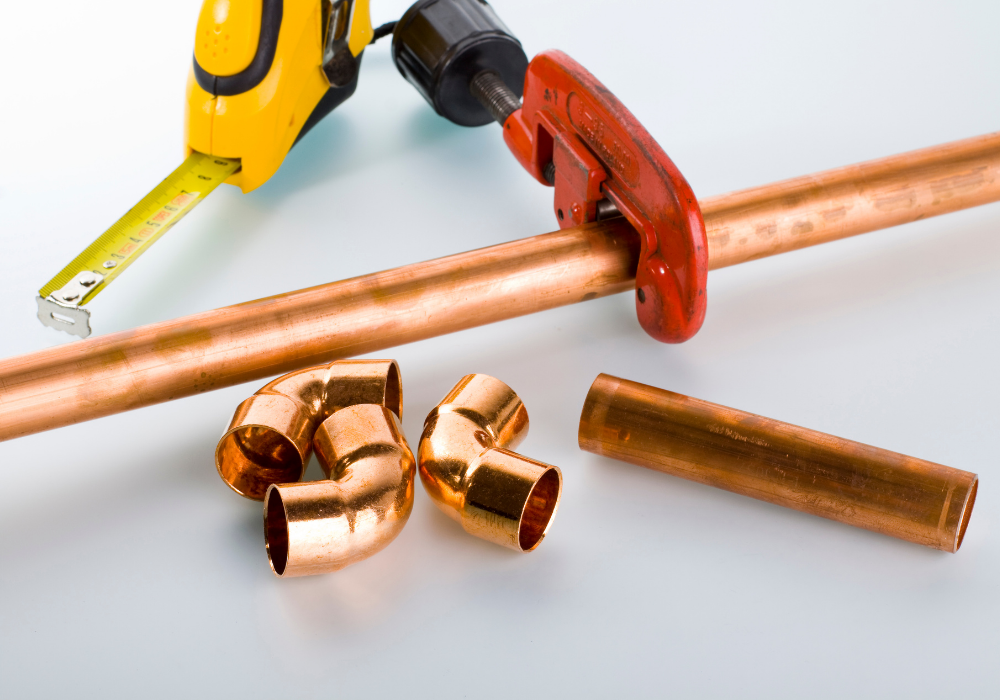
Copper pipe fittings are available in many types; each is used for a specific purpose in plumbing systems. Knowing the different copper fitting types is important in choosing the right fittings for secure connections and water flow.
Air vents
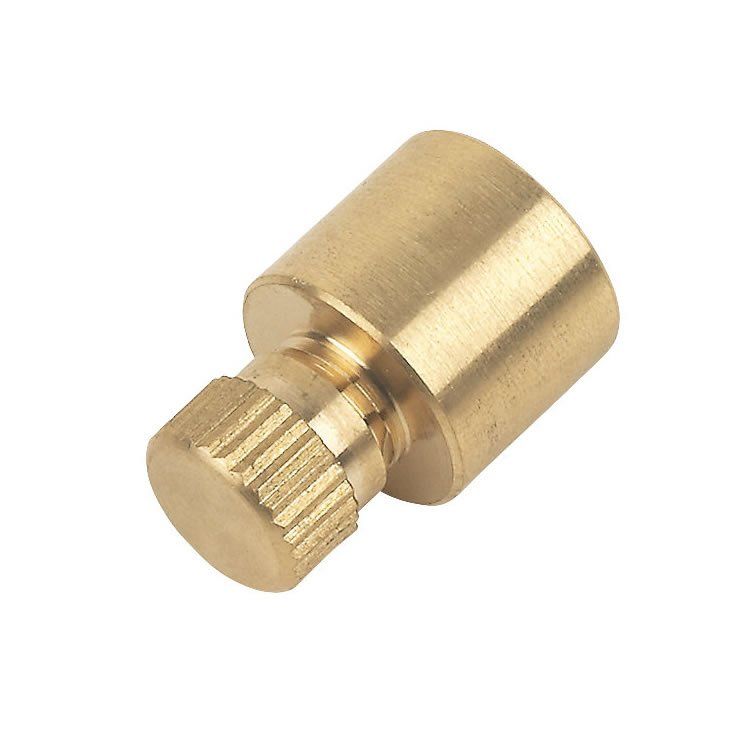
Used in plumbing systems, air vents release trapped air from pipes, to improve flow and efficiency. These are especially useful in sealed systems and prevent leaks or flow issues caused by air pockets.
Capillary fittings
A favourite in copper fittings, capillary fittings connect copper pipes by inserting the tubing into the fitting and soldering it. A heat source is required but they give a reliable joint that is long lasting and high temperature rated.
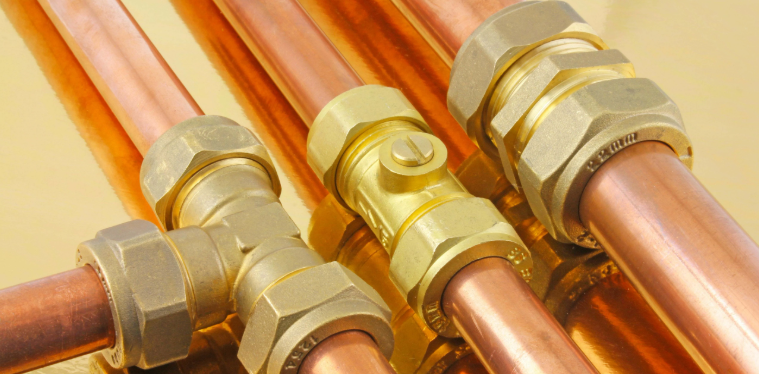
Compression fittings
A well-known solution for plumbing needs, compression fittings require no heat for installation. These pipe fittings use a nut and o ring to make a secure connection between tubes. They are good for DIY projects or where space is limited. Their main advantage is a tight seal with no soldering, which is excellent for repairs and new installation.
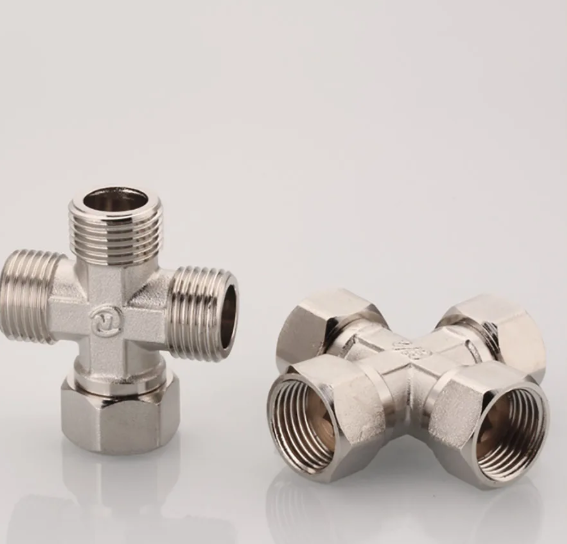
Cross fittings
Cross fittings are used to connect four pipes in one place, to divide the flow in complex plumbing systems. They are ideal for large or specialised plumbing projects where multiple directions of flow are required.
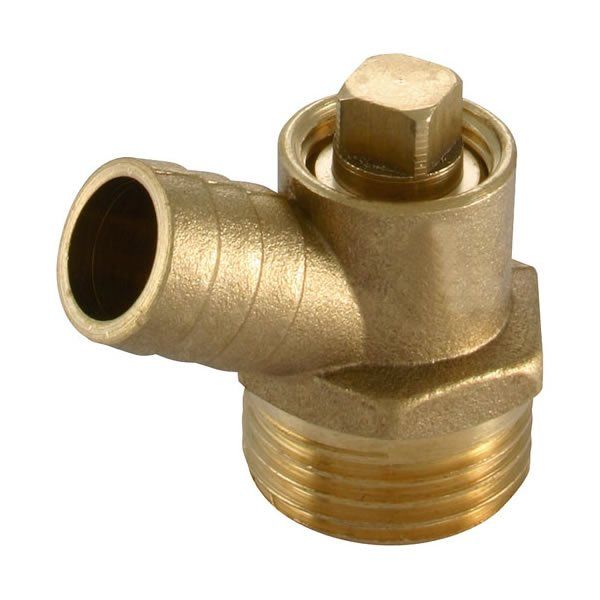
Drain-off cocks
Drain-off cocks are simple but vital copper pipe fittings designed to release water from a system for repairs, maintenance, or winterisation. These fittings are often used at low points in pipework to ensure full drainage when needed.
Elbow fittings (90° & 45°)
Designed to change the direction of copper pipes within a plumbing system, these fittings typically bend at 90° or 45°. Choose these for a secure, leak-resistant joint and are invaluable in navigating corners or when working in confined spaces.
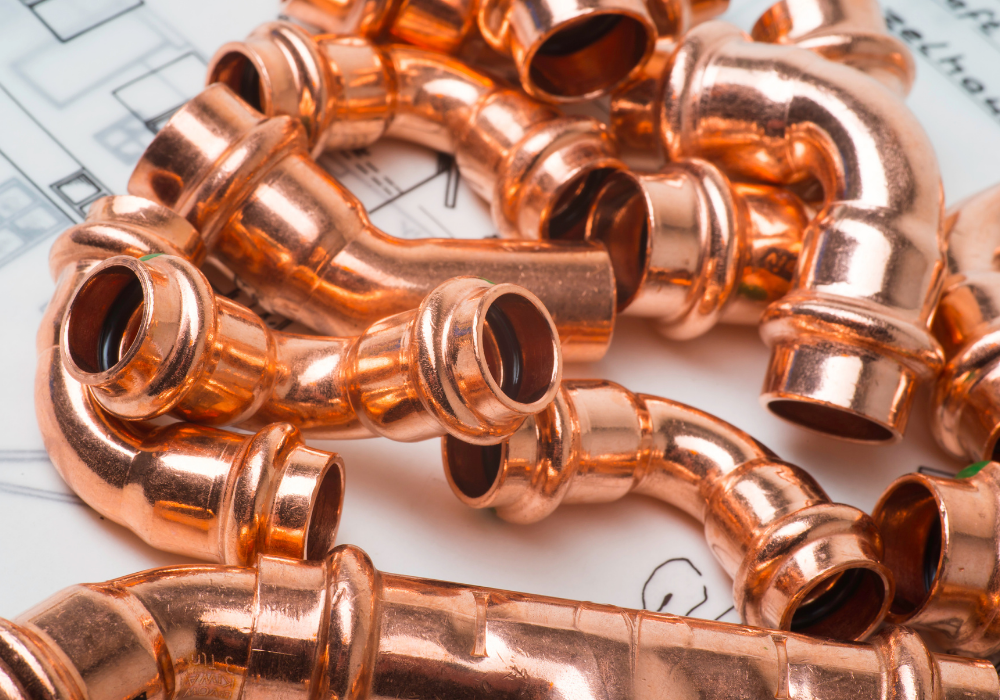
End-feed fittings
These fittings rely on traditional soldering methods, where solder melts to form a durable, leak-proof connection between the pipe and fitting, ensuring a reliable joint. Click here to view our end-feed fittings.
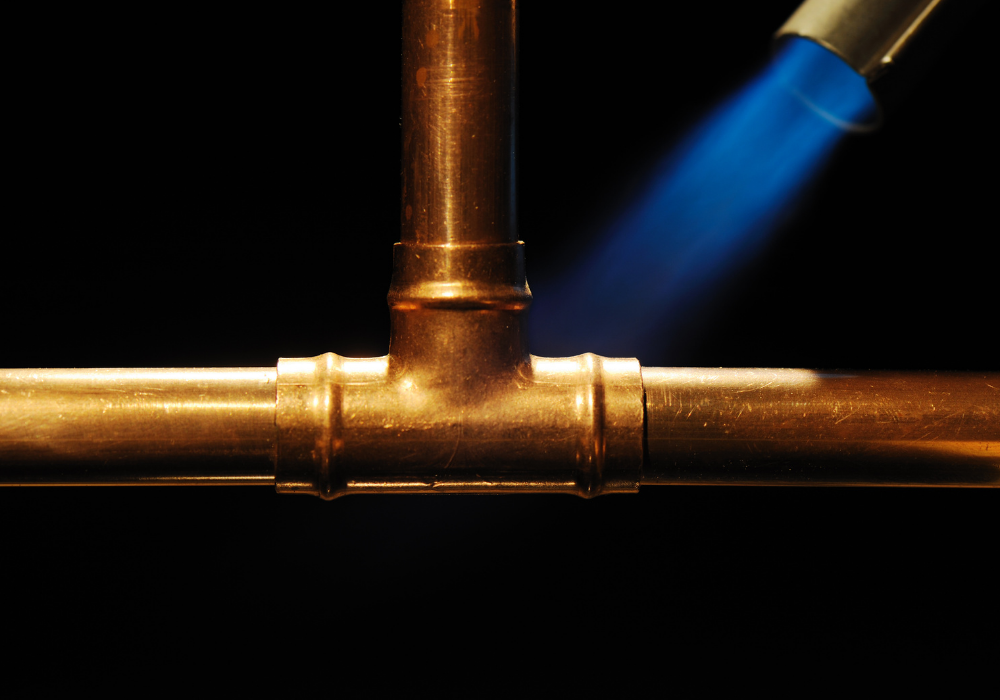
Flared fittings
Copper pipe with a conical flare at the end, these fittings screw in tightly to corresponding connectors. This design is durable and suitable for commercial applications where high pressure and corrosion resistance is required.
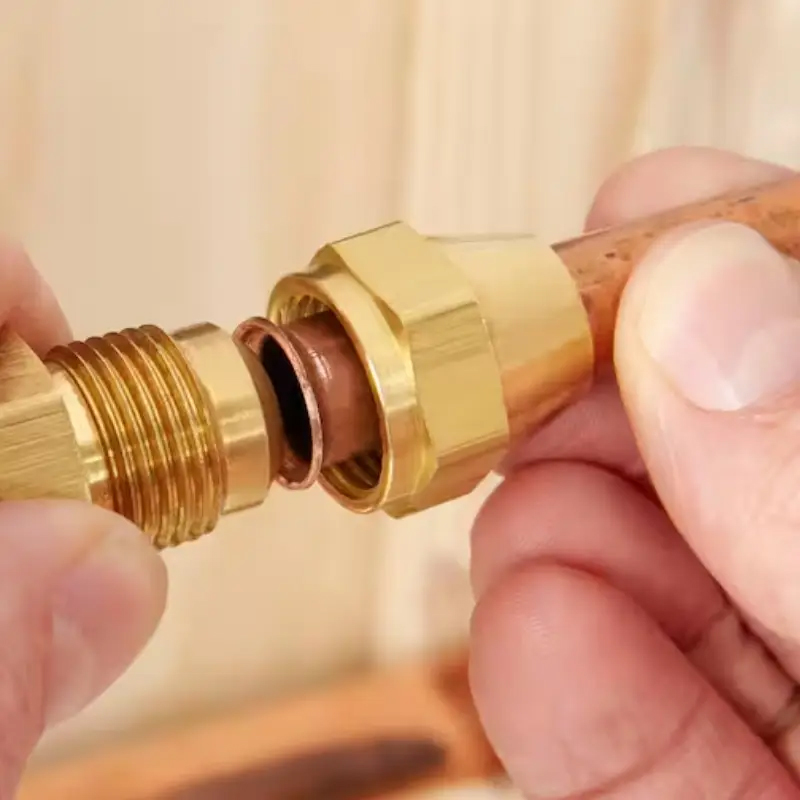
Male/female adapters
Adapters with male and female threads allow connection between different sizes or different types of pipe fittings. These enable the joining of copper pipes to other materials or components in a plumbing project.
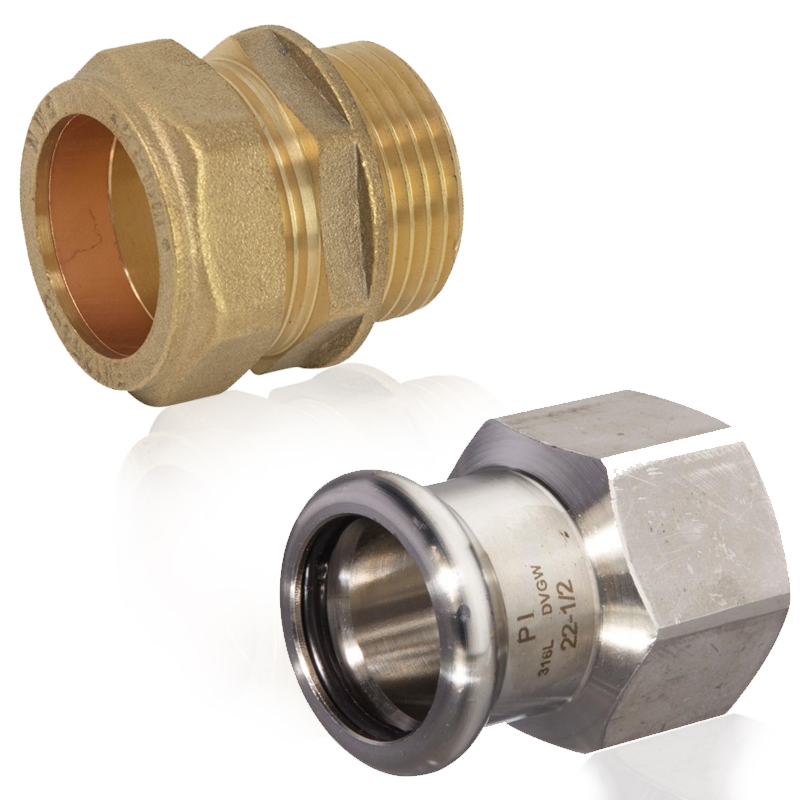
Manifolds
Central distribution hubs in plumbing systems and manifolds route water to multiple outlets. This simplifies complex setups and is quick and easy to install. Manifolds meet various plumbing needs by minimising leaks and making maintenance easier with press-fit and copper push-fit fittings.
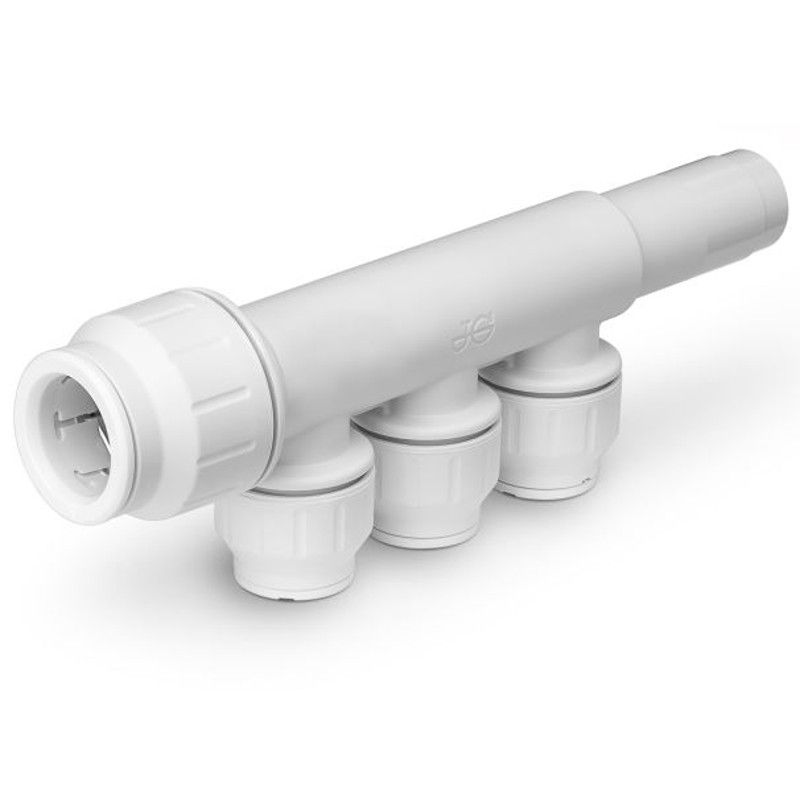
Pipe saddles
Used to make branch connections on copper pipes without cutting the main pipe, these pipe saddle fittings provide a strong and leak-free joint. They are popular in plumbing systems for easy repairs and additions.
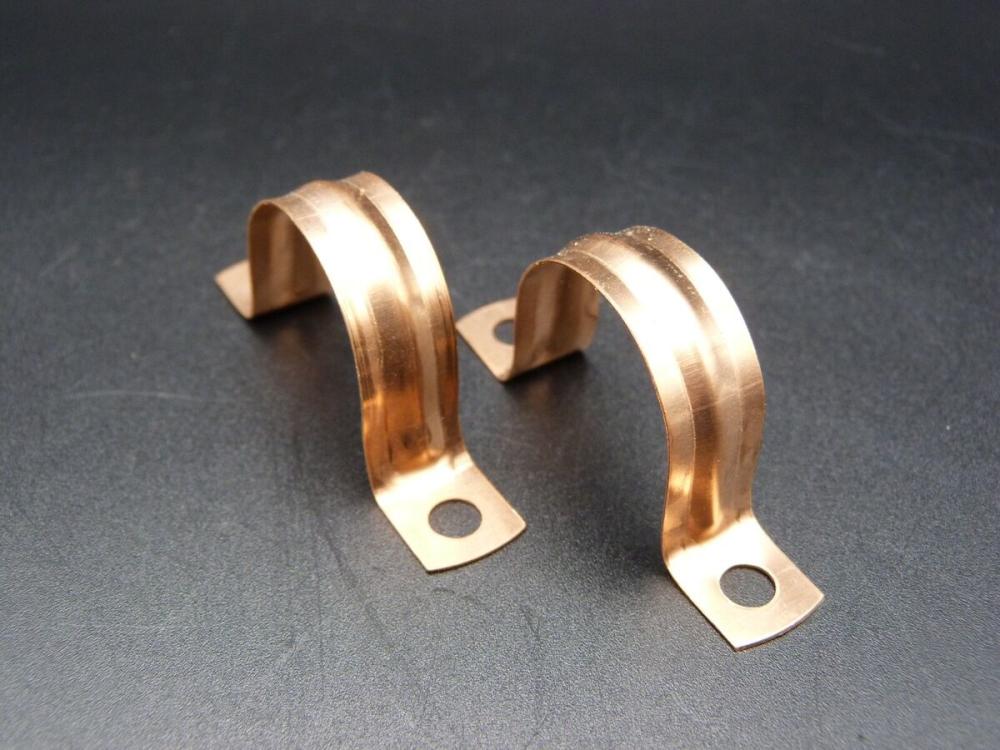
Press-fit (M profile)
If you are wondering “What is a copper press fitting?”, the most popular in the UK is an M-profile press-fit fitting. The M-type of copper press fitting gives a quick and easy installation method by crimping a secure connection onto copper pipe fittings without heat. Its durable and reliable joint makes it good for both DIY and commercial use. The M profile requires special tools for installation and periodic retesting to ensure ongoing safety. No heat source is required so it is safe for confined spaces.
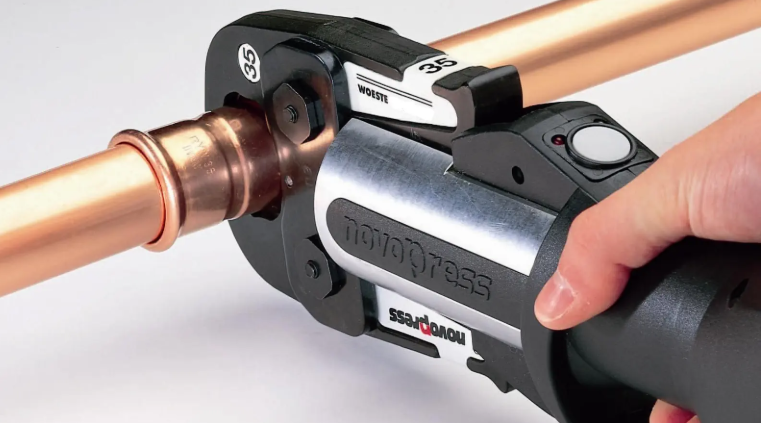
Press-fit (V profile)
Like the M profile, this press-fit system provides a fast and reliable connection. While less common in the UK, the V profile also requires specific tools and retesting for compliance with safety standards.
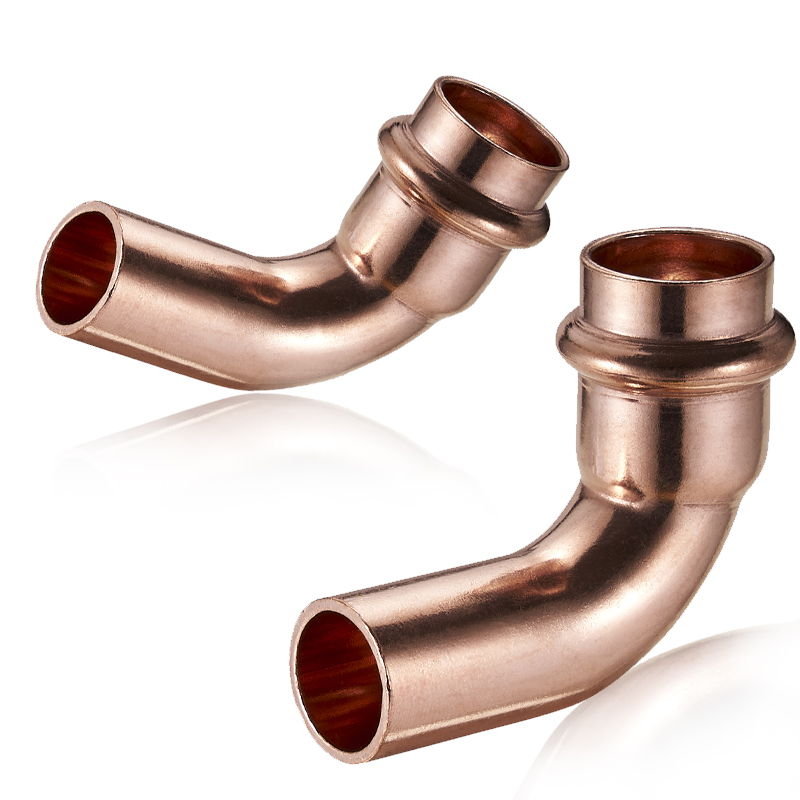
Push-fit fittings
Designed for easy connection without soldering or special tools, copper push-fit fittings allow quick assembly and disassembly of copper pipes. They contain an internal O ring that creates a watertight seal, making them suitable for both temporary and permanent solutions. Popular for plumbing needs where time is a factor, these fittings are ideal for DIY projects and repairs. Their versatility across different copper fitting types and resistance to leaks make them a common choice in modern plumbing systems.
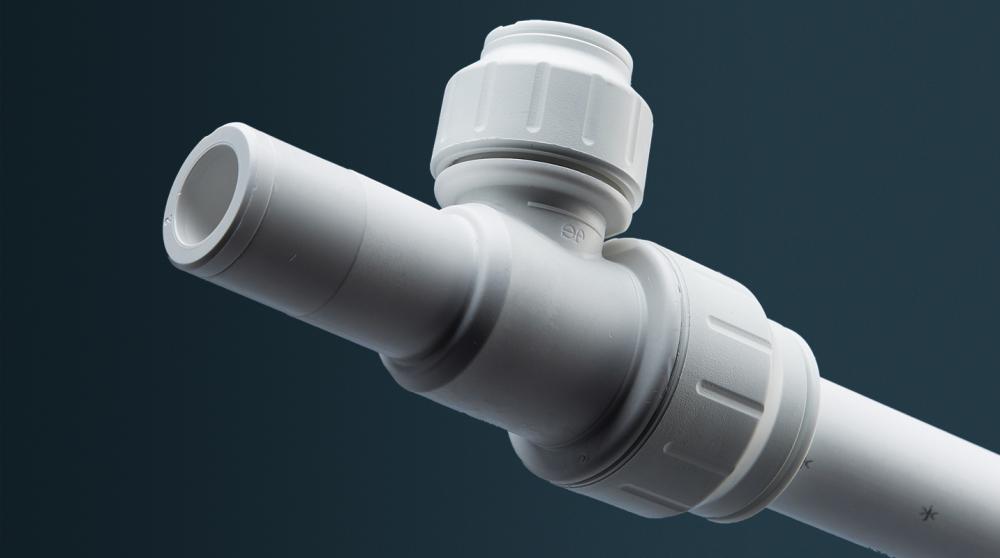
Reducing couplers
These fittings enable the connection of copper pipes with different diameters, allowing seamless flow transition within the plumbing system. Delivering a secure and durable joint, maintaining the integrity of the system while adjusting the pipe size.
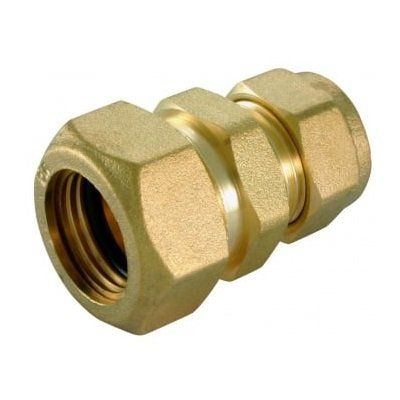
Slip couplings
Allowing for simple replacement or extension of copper pipe fittings, slip couplings work without moving or cutting additional piping. Their design provides a tight seal for repairs or adjustments in confined areas.
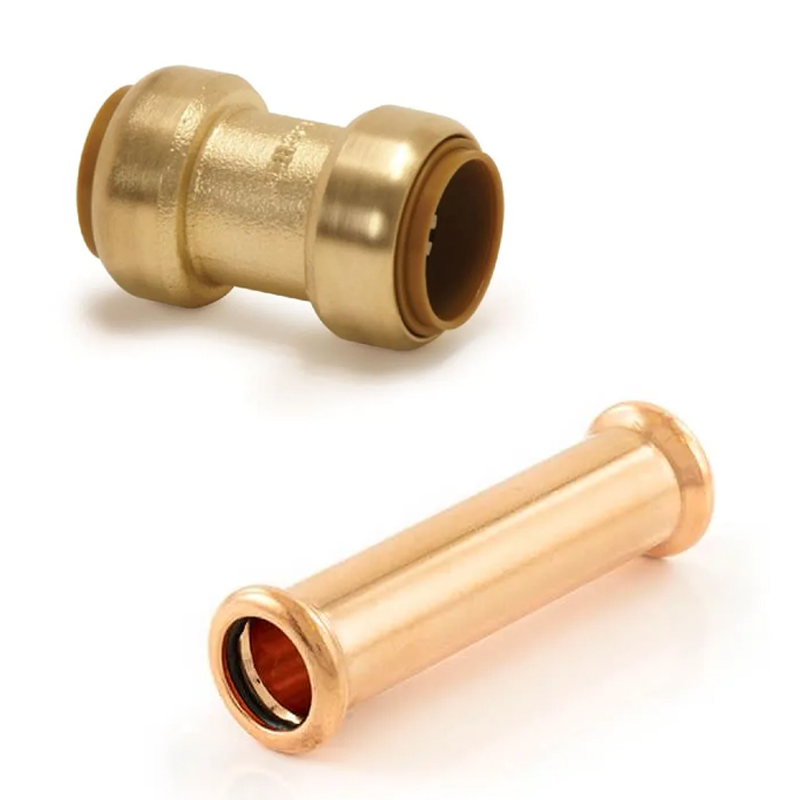
Solder-ring fittings
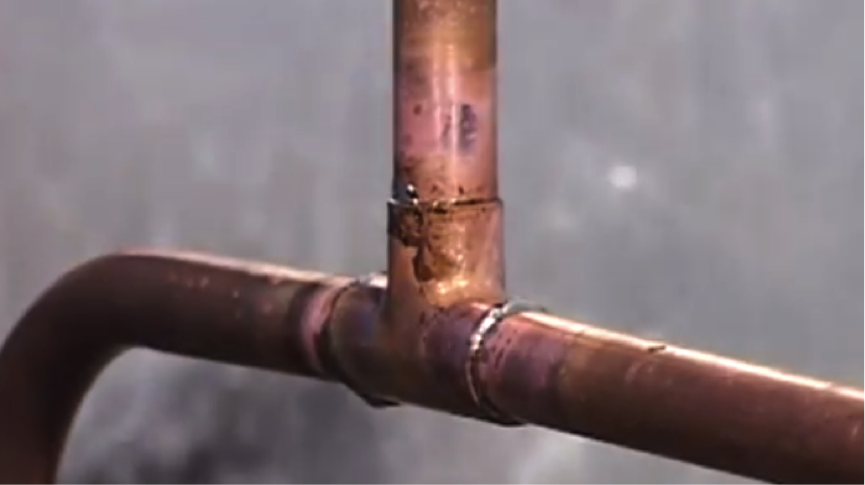
A reliable joint is formed by heating the fitting, which contains a pre-applied solder ring that melts and seals the connection with the copper pipe.
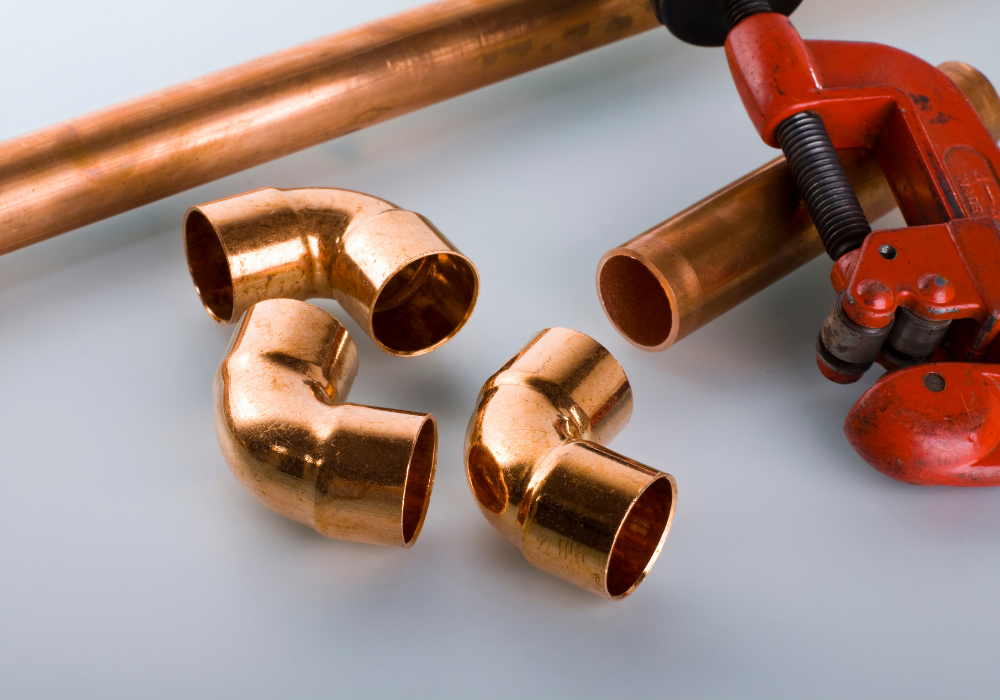
Straight couplers
Used to join two lengths of copper pipes in a straight line, these fittings provide a continuous and leak-proof connection. Every plumber will use these in plumbing projects where pipe extension or repair is needed.
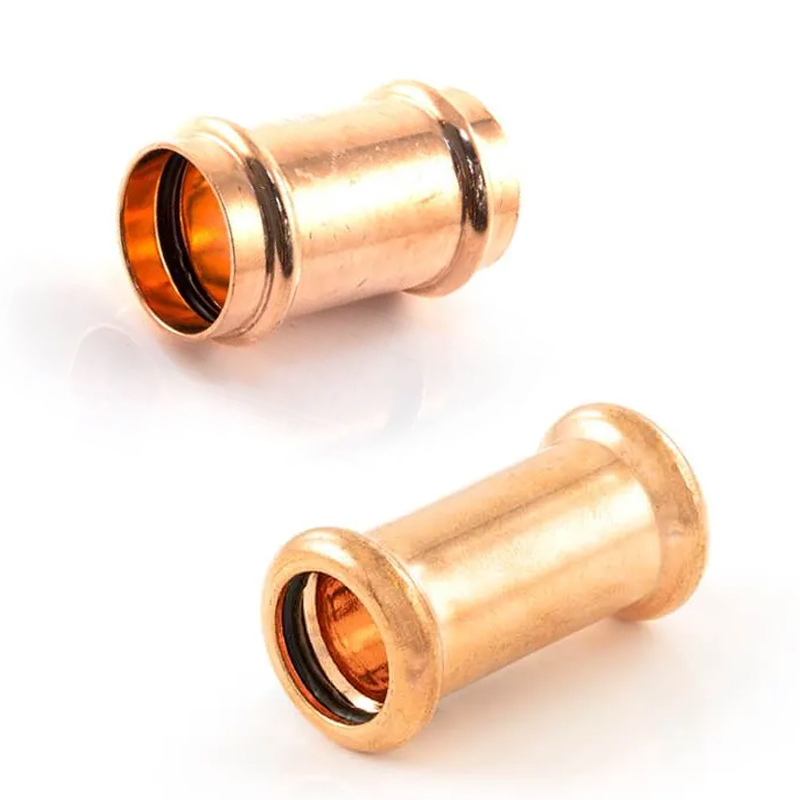
Tap connectors
Tap connectors are designed to link copper pipe fittings directly to taps or valves. Enabling efficient water flow, they are used in numerous plumbing systems.
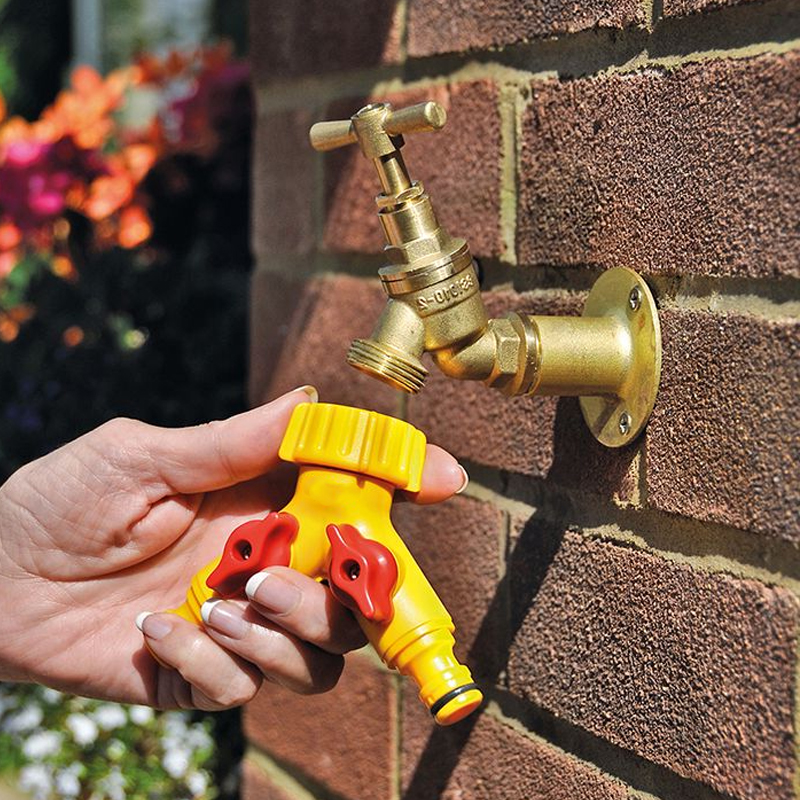
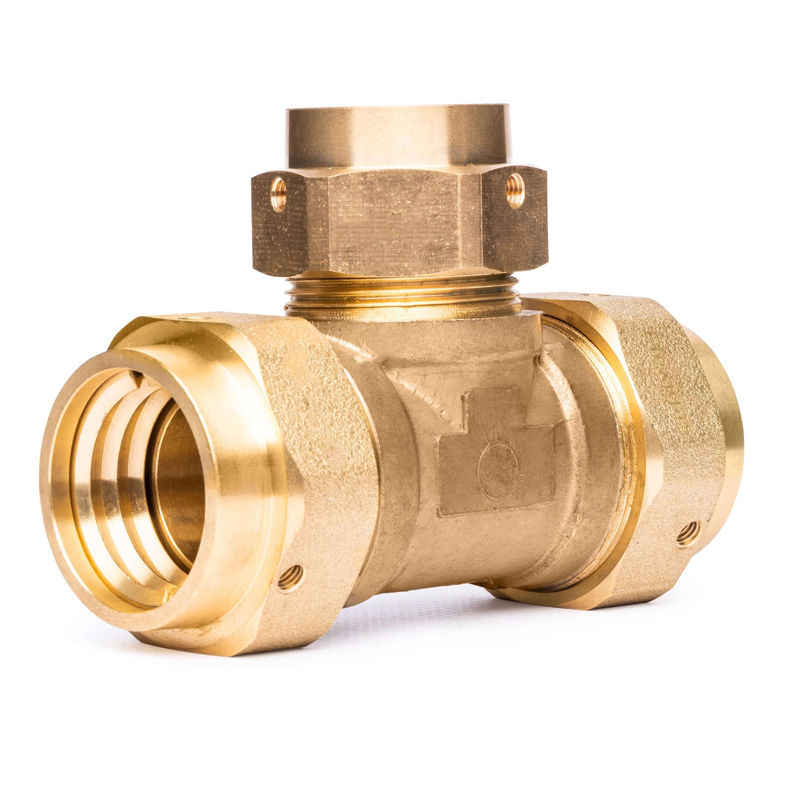
Tee fittings
Allowing copper pipes to branch into two directions, tee fittings simplify complex plumbing layouts. The result is a strong and durable connection at pipe intersections.
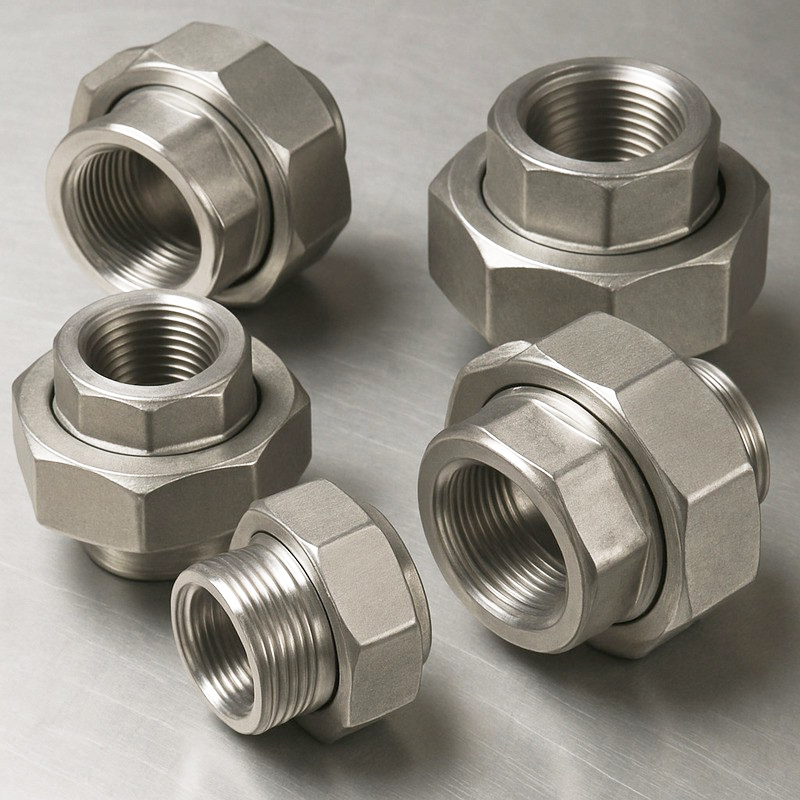
Union fittings
Providing a detachable joint between two pipes, union fittings make ongoing maintenance and future repairs simpler. Their design supports a tight seal and quick disconnection when needed.
Copper vs brass fittings comparison table
The go-to material used for plumbing fittings in the UK is copper. In certain specialist situations, brass might be used. Below, we provide a copper vs brass fittings comparison table.
| Feature | Copper fittings | Brass fittings |
|---|---|---|
| Material Composition | Made of pure copper or copper alloys, primarily copper tubing and pipe fittings. | Made from a copper and zinc alloy and is known for durability and strength. |
| Corrosion Resistance | Excellent corrosion resistance, especially in plumbing systems. | Good corrosion resistance but can become tarnished. |
| Durability | Highly durable and long-lasting, suitable for various plumbing needs. | Very durable, often used in commercial applications where strength is critical. |
| Temperature Resistance | Handles high temperatures well, ideal for hot water systems. | Also tolerates high temperatures but may deform under extreme heat. |
| Installation Methods | Compatible with solder ring fittings, press-fit, compression, and copper push fit fittings. | Typically used with compression and threaded fittings; less common with a press-fit. |
| Ease of Installation | Offers quick and easy installation with modern press-fit and push fit options. | Requires more effort and tools for installation, often needing threading or compression. |
| Maintenance | Low maintenance with reliable joint and less risk of leaks. | May require more upkeep and inspection, especially in harsh environments. |
| Cost | Generally, more expensive due to material purity and manufacturing. | Usually more affordable and widely stocked. |
| Common Applications | Used in residential and commercial plumbing systems, and DIY projects. | Favoured for heavy-duty, industrial, and commercial plumbing applications. |
| Suitability for Repairs | Suitable for repairs due to easy-to-use push fit and press-fit fittings. | Repairs may require special tools and more complex fittings. |
| Environmental Impact | Copper is recyclable and has less environmental impact. | Brass recycling is possible but energy intensive. |
Summary
Understanding the variety of copper fitting types is crucial for selecting the most suitable components for any plumbing project. Whether opting for traditional solder ring fittings or modern press-fit and copper push-fit fittings, each type offers distinct advantages in terms of durability, ease of installation, and performance under high temperatures.
Using the right fittings not only ensures a reliable joint but also contributes to the longevity and efficiency of plumbing systems. By choosing quality copper pipe fittings, both professionals and DIY enthusiasts can achieve secure, leak-free connections that meet various plumbing needs. We also sell brass fittings at Plumbing World, so you will also find our copper vs brass fittings analysis interesting too.
Contact us
Contact Plumbing World using the following methods:
- Phone – 0121 508 9987
- Email – onlinestore@plumbingworld.co.uk
- Contact details – send through our Contact Us Page
- Live Chat – this can be accessed by clicking the blue button at the bottom left corner of any page